



- Home
- >
News
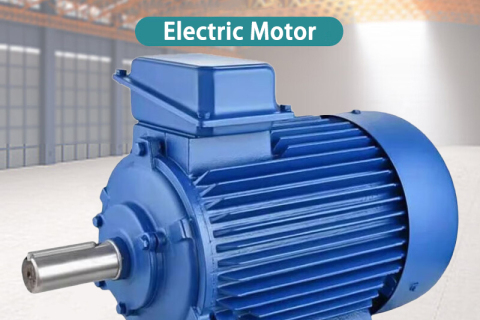
Leading US industrial manufacturers and automation integrators have published real-world performance updates in the past seven days, showcasing the impact of high-efficiency three-phase motors, horizontal motors, small motors, and custom motor flanges on operational productivity and cost savings.
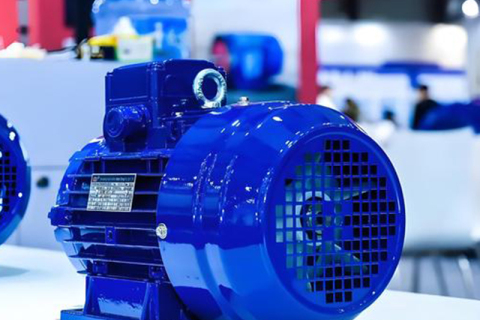
Motor flanges, a critical structural component, have become a high-priority part for US facilities seeking to reduce vibration, improve alignment, and extend motor service life. Premium cast-iron and aluminum motor flanges compatible with horizontal and three-phase motors are in short supply, with distributors reporting 22% higher order volumes than the weekly average. NEMA’s latest report emphasizes that precision-machined motor flanges improve energy efficiency by 3% to 5% while reducing maintenance costs by up to 28% annually.
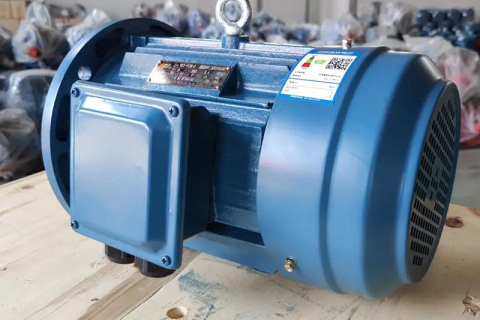
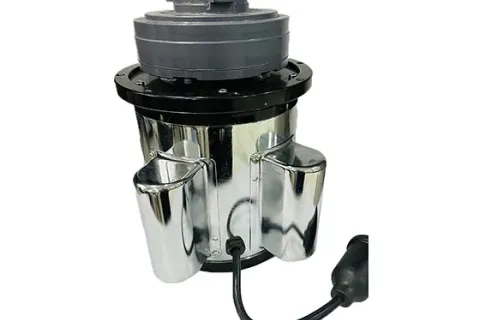
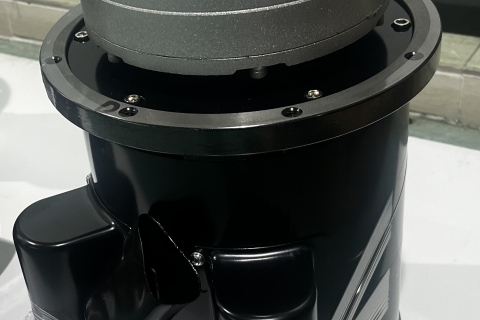
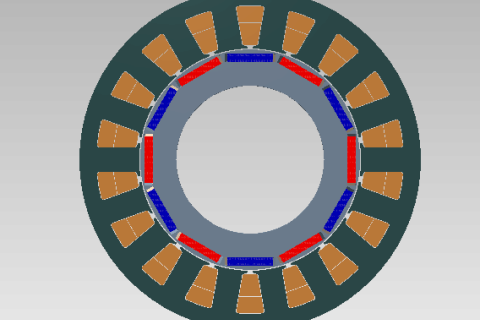
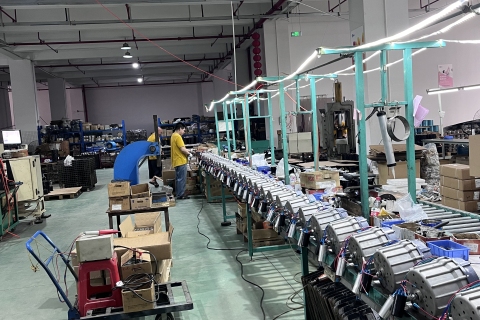
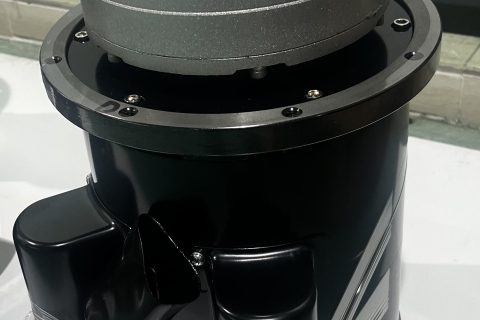
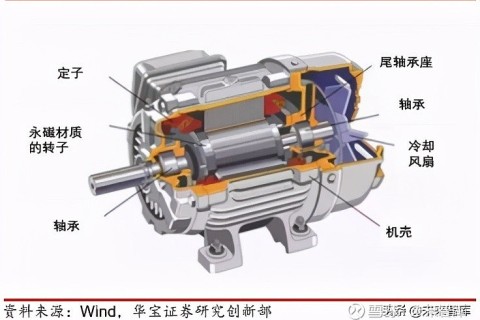
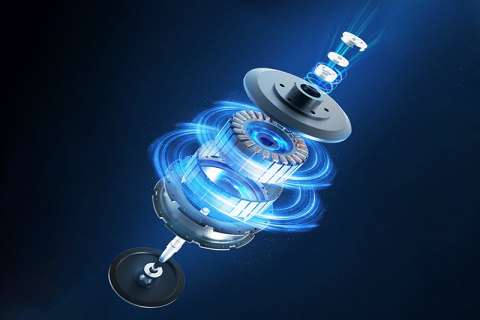
The motor is a device that converts electrical energy into mechanical energy. It uses an energized coil, that is, a stator winding, to generate a rotating magnetic field and act on the rotor to form a magnetic-electromotive force rotation torque. The motor is a rotating machine that converts electrical energy into mechanical energy. It mainly includes an electromagnet winding or a distributed stator winding for generating a magnetic field and a rotating armature or rotor. The current passes through the wire and is rotated by the magnetic field. Some types of these machines can be used as motors or generators.
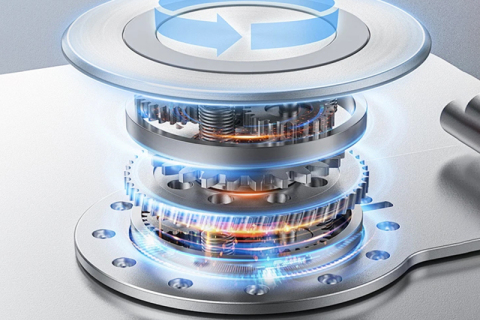
The working principle of the motor is based on electromagnetic induction and Lorentz force. The main components of the motor include the stator and the rotor. The stator is the stationary part of the motor, usually composed of coils, which generates a magnetic field when powered on; the rotor is the rotating part, located in the magnetic field. When the current passes through the rotor coil, according to the principle of Lorentz force, the magnetic field will exert a force on the current, thereby driving the rotor to rotate.
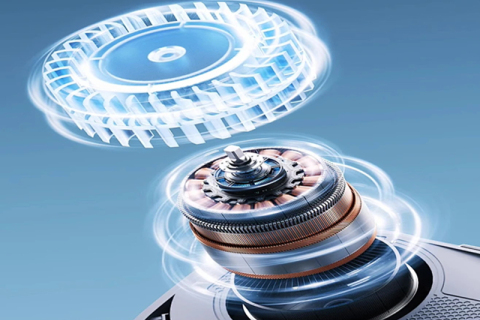
Ferromagnetic materials: mainly used to manufacture motor poles, yokes and other components, common ones include pure iron, alloy steel (such as silicon steel sheets), etc. Electrical steel strips (plates) are soft magnetic materials, and are also mainly used in the motor and transformer industries to play a magnetic conductive role.Conductive materials: mainly used to manufacture motor wires, terminals, bearings and other components, mainly copper and aluminum. In addition, enameled wire is also a commonly used conductive material in motors, which has good insulation and conductivity.